


Executive summary
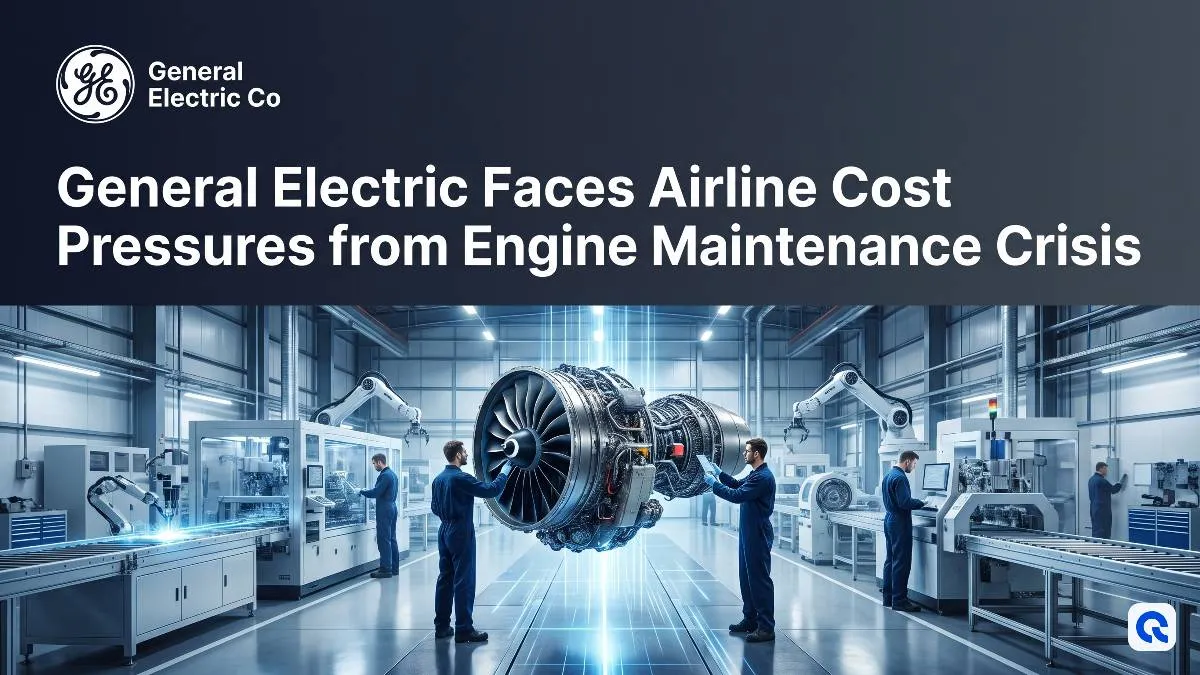
Airlines are bringing grounded jets back into service, but engine maintenance costs remain elevated despite improved aircraft availability. GE Aerospace and competitors face ongoing pressure as airlines report sharply higher overhaul and repair expenses driven by durability problems, parts shortages, and delayed aircraft deliveries that keep older engines in service longer.
What happened
A multi-year engine crisis has left airlines with persistently high maintenance costs even as grounded aircraft return to service. According to a Reuters analysis of U.S. Transportation Department data, spending on engine labor, repairs, and materials across six large U.S. airline operations increased approximately 68% between 2019 and 2025, while flight hours rose only 10%. The crisis stemmed from durability problems affecting newer engines, including Pratt & Whitney's powder-metal defect that forced accelerated inspections, compounded by labor shortages, parts scarcity, and limited repair capacity. Airlines leased replacement engines and aircraft to maintain schedules, creating costs that outlast the groundings themselves. Air New Zealand's CEO noted it could take 12 to 18 months to shed extra leases even after fleet availability improved sharply. GE Aerospace CEO Larry Culp reported that LEAP-related groundings had fallen to near zero, and the company is deploying upgraded parts designed to extend time between major maintenance events.
Why it matters
For GE Aerospace, the lingering maintenance cost crisis creates both commercial challenges and opportunities. Airlines are experiencing financial strain from elevated overhaul expenses-overhaul and parts-replacement costs for newer LEAP engines have risen approximately twice as much since 2019 compared to older engine models. This pricing pressure has intensified tensions with airline customers, with United Airlines CEO directly stating engine makers have too much pricing power. However, GE benefits from a structural shift: newer engines like the LEAP require more expensive overhauls due to fewer developed repair options and limited used-parts availability, with parts accounting for roughly 60% of overhaul costs. Engine lease rates have also increased, with some newer LEAP leases exceeding $6,500 daily versus around $5,000 in 2022-23. Delayed Boeing and Airbus deliveries estimated to add $3.1 billion to global airline maintenance costs in 2025 could extend demand for GE's parts and services, though it also fuels customer frustration over repair costs and capacity constraints.
Bigger picture
The engine maintenance crisis reflects broader aerospace industry challenges affecting GE Aerospace and competitors RTX (Pratt & Whitney), Safran, and Rolls-Royce. While RTX reported 25% fewer Pratt & Whitney geared-turbofan groundings in the first half and 43% higher repair output in Q2, heavier repair work intensity increased 14 percentage points year-over-year, illustrating how complexity persists despite volume improvements. Delayed aircraft retirements are tightening used-parts supply as fewer engines are dismantled, pushing airlines toward costlier new parts from manufacturers. This dynamic strengthens the aftermarket position of engine makers who typically discount engines upfront and recover investment through decades of parts and maintenance revenue. However, the pricing power debate is intensifying industry-wide, with Safran's CEO emphasizing that price increases should reflect supplier costs rather than exploitative practices. The crisis underscores the financial interdependence between engine manufacturers and airlines in managing fleet economics during supply chain disruptions.
What to watch
Monitor GE Aerospace's progress rolling out upgraded LEAP parts designed to extend time on wing and reduce overhaul frequency, which could ease airline cost pressures while protecting GE's services revenue. Track whether improved repair capacity and turnaround times translate into lower engine lease rates and reduced airline maintenance spending in coming quarters. Watch for any formal compensation agreements between GE and airline customers experiencing extended groundings or maintenance delays. Pay attention to Boeing and Airbus delivery timelines, as continued delays keep older engines in service and sustain demand for GE's parts and overhaul services. Finally, observe pricing negotiations and any regulatory or industry efforts to address the power imbalance airlines perceive in the engine aftermarket, which could affect GE's long-term services profitability.
Get our top market beating stocks free here
#supply chain
#aerospace
#airlines
#maintenance